Greywater Recycling: What It Is and Why It Matters
Water is one of our planet’s most precious resources — yet in many homes, thousands of gallons are wasted every year. One of the smartest ways to reduce that waste is through greywater recycling — the reuse of lightly used water from sinks, showers, and washing machines. Let’s explore what greywater really is, how it can be reused safely, and why it’s a vital part of sustainable living.
What Is Greywater?
Greywater is wastewater that comes from your bathroom sinks, showers, tubs, and laundry machines. It’s different from blackwater, which comes from toilets and kitchen drains and contains harmful pathogens.
In simple terms:
| Type | Source | Safe for Reuse? |
|---|---|---|
| Greywater | Sinks, showers, laundry | Yes, after light filtration |
| Blackwater | Toilets, kitchen drains | No, requires full treatment |
Greywater usually contains small traces of soap, dirt, and grease, but it can be filtered and reused for irrigation, toilet flushing, or landscape watering — instead of being sent directly to the sewer.
Why Greywater Recycling Matters
1. Water Conservation
Greywater reuse can reduce a household’s freshwater demand by 30–50%.
In regions affected by drought or water scarcity, this is a game changer — every recycled gallon helps preserve drinking water supplies.
2. Environmental Protection
By reducing the flow to wastewater treatment plants, greywater recycling lowers energy consumption and chemical use, cutting your home’s overall carbon footprint.
3. Lower Utility Bills
Less fresh water used = lower water bills. For large households or commercial buildings, the savings can be significant over time.
4. Soil Health and Landscaping
Greywater irrigation keeps plants hydrated while returning nutrients like phosphorus and nitrogen to the soil. When done right, it supports sustainable gardening with minimal waste.
How Greywater Systems Work
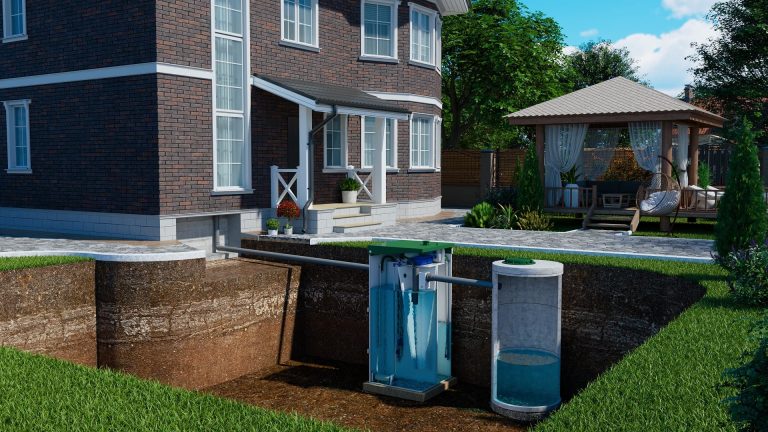
A typical residential greywater system includes:
-
Collection — Water from showers, tubs, and laundry lines is diverted before it reaches the sewer.
-
Filtration — Solids and lint are removed using basic filters or mesh screens.
-
Storage — A small holding tank (often 50–100 gallons) keeps greywater for short-term reuse.
-
Distribution — Pump or gravity-fed lines deliver the water to toilets or irrigation systems.
⚠️ Greywater should never be stored for more than 24 hours — stagnant water quickly develops bacteria.
Types of Greywater Systems
| Type | Description | Typical Use |
|---|---|---|
| Direct (gravity-fed) | Simple setup that routes greywater straight to irrigation. | Gardens, yards |
| Filtered (mechanical) | Uses filters and pumps for better water quality. | Indoor reuse (toilets) |
| Advanced treatment | Includes biological or UV purification. | Commercial / large homes |
What You Should Never Do
-
Don’t use greywater from kitchen sinks or dishwashers — it contains fats and food waste.
-
Don’t irrigate edible plants unless your system is fully treated.
-
Don’t use harsh detergents, chlorine bleach, or softeners — they harm soil microbes and plants.
-
Don’t store greywater for long periods.
Is It Legal?
Greywater reuse is legal in most U.S. states, but local regulations vary. Some states (like California and Arizona) encourage residential greywater systems, while others require permits or inspections. Always check your state or county environmental agency before installation.
The Bigger Picture
Greywater recycling is more than a plumbing upgrade — it’s part of a global movement toward sustainable water management. By reusing what we already have, households can help conserve freshwater, reduce pollution, and prepare for a future where every drop counts.
“The solution to water scarcity isn’t just about finding new sources — it’s about rethinking how we use the ones we already have.”
Key Takeaways
| Benefit | Description |
|---|---|
| Saves up to 50% of household water use | Reduces demand for treated drinking water |
| Improves soil and plant health | Returns organic nutrients |
| Cuts water bills | Long-term economic benefit |
| Supports sustainability | Reduces wastewater discharge |
Greywater recycling is a practical, eco-friendly solution that turns waste into opportunity. With simple filtration and mindful use, any household can make a meaningful impact on water conservation and sustainability.
Start small — reuse your laundry water for the garden, or install a shower diverter. Every step helps the planet.