Where Does the Sewer Water Go? Explained Simply
How Sewer Water Leaves Your Home
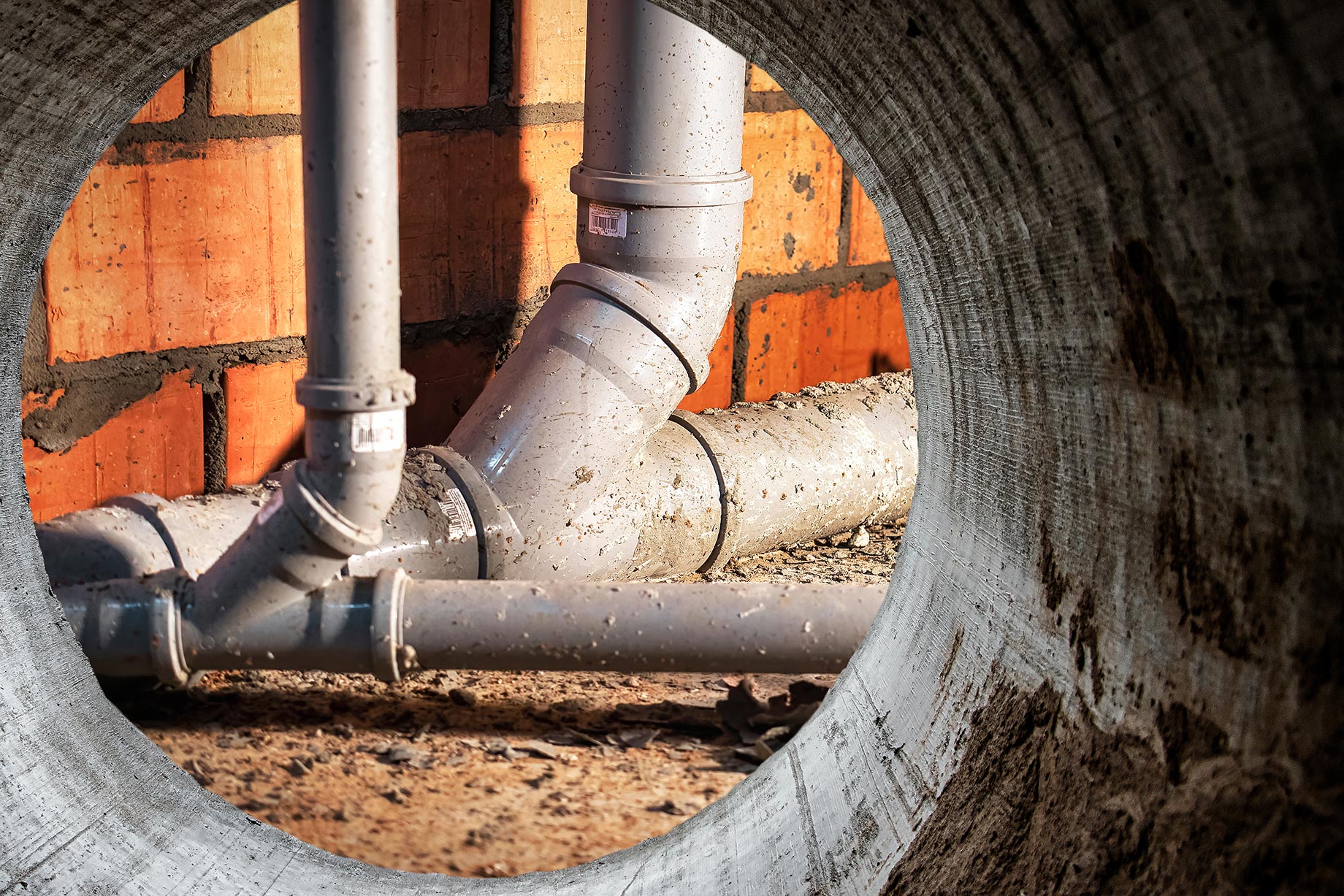
Every time you flush a toilet, run your dishwasher, or take a shower, the resulting wastewater-also called sewage-begins its journey away from your home. This water combines with everything sent down sinks, toilets, tubs, and appliances, containing not just water but also organic waste, food scraps, soap, and sometimes even hazardous materials. All these flow through your home’s internal plumbing system and into a large pipe known as your building sewer lateral. This pipe channels wastewater to either a municipal sewer main or, in rural areas, a septic system on your property.
It’s important to keep these pipes clear and undamaged. Issues like cracks or clogs can lead to sewer odors in your house, leaks, or even sewage backup. For example, if you’re noticing foul smells, our guide on how to get rid of sewer odor in house offers quick solutions and prevention tips.
Proper maintenance is essential: avoid flushing anything besides human waste and toilet paper. Items like wet wipes, feminine products, and grease can clog pipes and disrupt the wastewater treatment process later on.
The Path Through the Sewer Network
Once sewage leaves your home, it enters either the sewer main-a large pipe running beneath the street-or, in rural areas, a septic system. In cities and towns, sewer mains collect wastewater from multiple homes, stores, and businesses. These pipes are part of a vast network, much like roadways delivering traffic to a central hub.
This network often includes:
- Interceptor sewers: Larger pipes that collect wastewater from multiple mains and carry it toward the treatment plant.
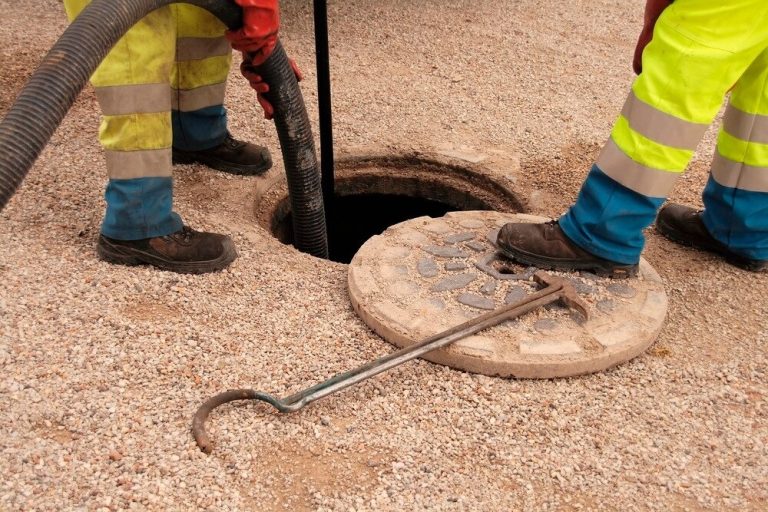
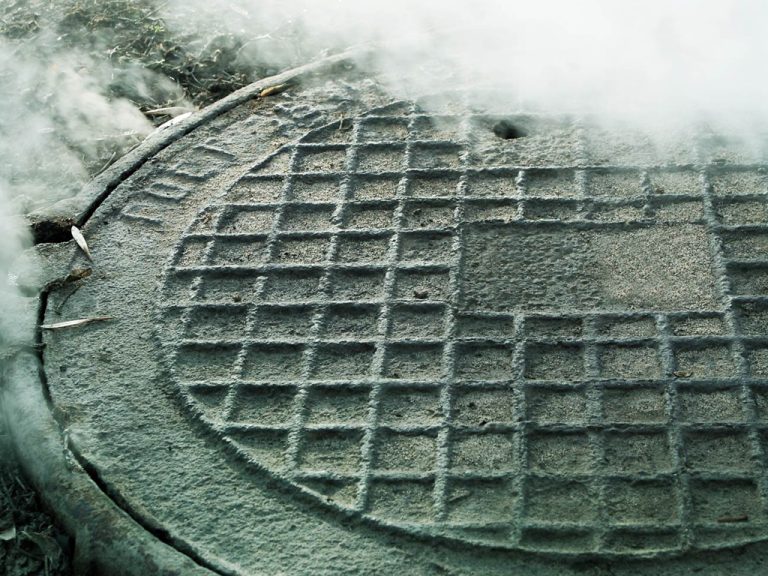
- Manholes: Underground access points for maintenance crews to inspect, clean, and repair the system.
- Pumping stations: Used when gravity alone cannot deliver the sewage to its destination, especially in flat or low-lying areas.
Weather also plays a role. During storms, stormwater (rain and runoff) can enter the sewer system. Older areas may have combined sewers, which carry both stormwater and wastewater. This can overload systems during heavy rainfall, causing overflows. In contrast, modern areas have separate sewers for stormwater and sewage, reducing this risk.
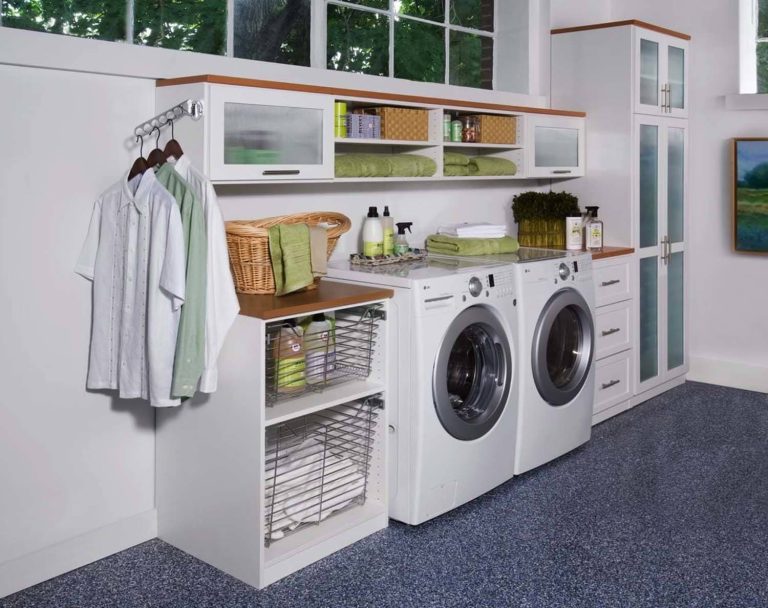
If you ever wonder why your laundry room smells like sewer, it could be a sign of a clog or vent issue within this network. Explore our resource on why your laundry room smells like sewer for details and solutions.
Inside the Wastewater Treatment Plant
Arrival and Screening
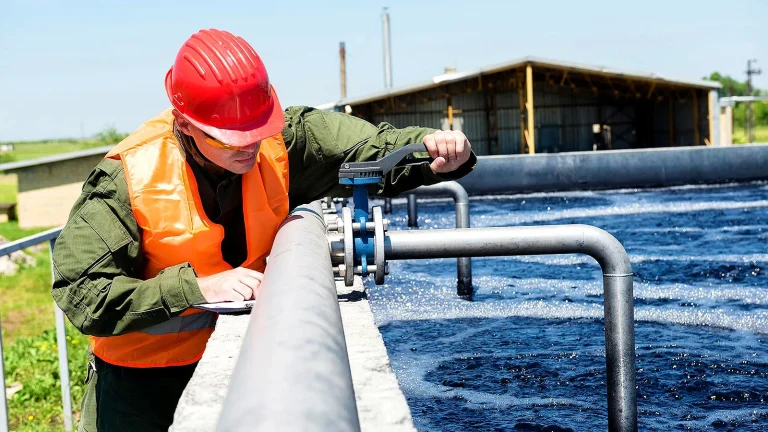
All sewage from the sewer network arrives at the wastewater treatment plant-a specialized facility designed to remove contaminants and protect public health. The journey through the plant happens in several key stages:
- Screening: Large debris (sticks, trash, wipes, and rags) are removed using metal grates or screens.
- Grit removal: In special chambers, sand, gravel, and other heavy particles settle out so they don’t damage downstream equipment.
Primary Treatment
Here, wastewater slows in large circular tanks called primary clarifiers. Gravity causes solid materials to settle to the bottom, forming primary sludge. Grease and light materials float to the surface and are skimmed off. This step removes about 50-60% of suspended solids but leaves dissolved contaminants in the water.
Secondary Treatment
Next, the water enters aeration tanks-oxygen is pumped in to support the growth of beneficial bacteria. These microbes “eat” dissolved organic matter, breaking it down into simpler, safer substances. This phase is known as the activated sludge process.
After aeration, the liquid flows into secondary clarifiers, where the bacteria clump together and settle out as secondary sludge. Clarified water moves on, while some sludge is recycled into the aeration tanks to maintain the process.
Tertiary Treatment and Disinfection
For areas with stricter environmental standards, a final stage-tertiary treatment-comes next. This might include:
- Filtration: Sand or membrane filters capture fine particles.
- Nutrient removal: Special processes eliminate excess nitrogen or phosphorus to prevent water pollution and algae blooms in receiving waters.
To finish, water is disinfected via methods like UV (ultraviolet) light or chlorination. This step kills any remaining pathogens, making the effluent safe for its next destination.
Sludge Handling
The collected sludge undergoes separate treatment, often including digestion (to reduce its volume and odor), thickening, and dewatering. Treated sludge can be used as fertilizer, sent to landfills, or incinerated, depending on local regulations.
After Treatment: Where Does the Water Go?
The clean, treated water-called effluent-leaves the plant through an outfall, which is a pipe discharging into a nearby river, lake, or ocean. In some communities, highly treated wastewater is used for water recycling, irrigating parks and golf courses, industrial uses, or even replenishing groundwater supplies. Advanced facilities may allow for “indirect potable reuse,” where treated water is reintroduced to natural sources before being withdrawn for drinking water treatment.
Despite urban myths, the water released from a sewage treatment plant is not immediately sent to your tap. Instead, it goes through natural waterways and additional purification steps before joining the drinking supply. For more on odors and gases produced during treatment, see what is sewer gas and its health impacts.
Special Cases: Septic Systems and Rural Wastewater
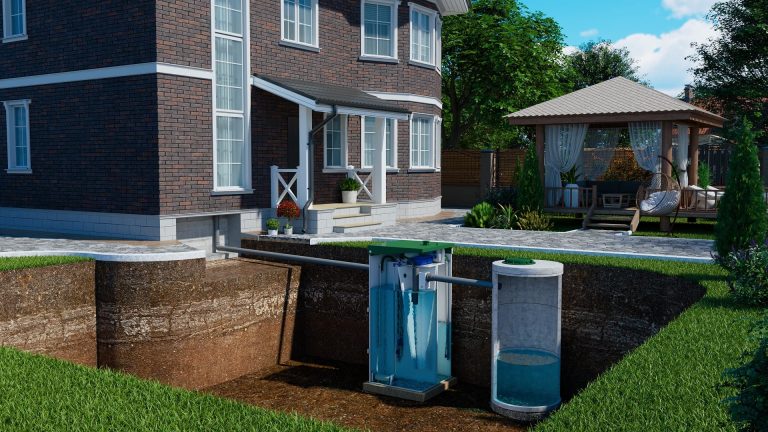
Outside the reach of municipal sewers, rural homes and small communities often use septic systems. Here, wastewater flows from the house into an underground septic tank, where solids settle and bacteria partially treat the liquid. Effluent then seeps into a drainfield (or leach field), where soil acts as a final filter before the water reaches groundwater.
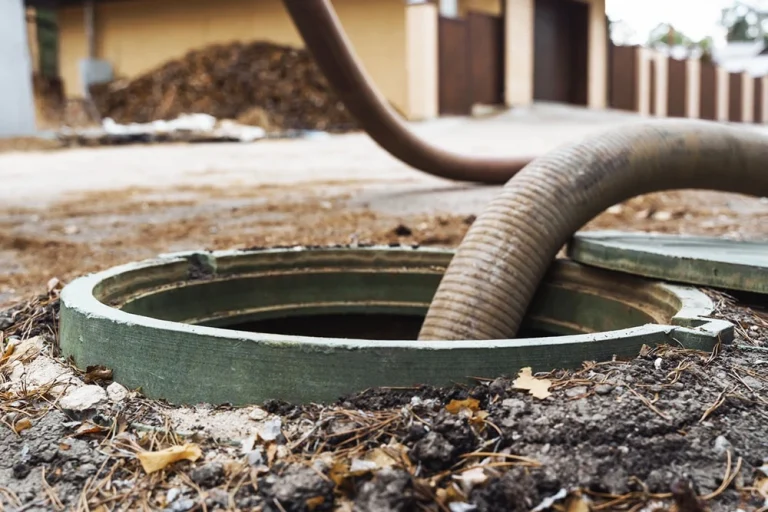
Septic systems require regular care. Over time, sludge builds up in the tank and must be removed to prevent clogs and system failure. Wondering how often you should pump your septic tank? Experts recommend inspection every 1-3 years, with pumping as needed.
Recognizing signs your septic system might be failing helps prevent serious problems. Look out for slow drains, foul odors, soggy patches in your yard, or unusually lush grass over the drainfield.
Septic systems are separate from municipal sewers, so there’s no “flushing to the city.” In areas with combined sewers, some stormwater also ends up at treatment plants, whereas in rural areas, stormwater flows directly to the landscape.
Frequently Asked Questions
- Where does sewer water go after flushing? After leaving your home, it travels through the sewer network to a treatment plant, is processed in multiple steps, and is released as clean water into the environment or used for non-potable water recycling.
- What is the difference between a septic system and a sewer? A septic system treats wastewater on-site with a tank and drainfield, while a sewer system channels waste to a central treatment plant through underground pipes.
- How is wastewater treated? Key steps include screening, grit removal, primary clarification, secondary (biological) treatment with activated sludge, clarification, and often tertiary filtration and disinfection by UV or chlorine.
- Can we drink treated sewage? Not directly. Treated wastewater isn’t piped straight to the tap. However, advanced recycling systems may eventually return highly treated water to the source for further purification before becoming drinking water.
- Why is my house or laundry room smelling like sewer? Odors can come from dry plumbing traps, clogs, or vent issues. Find practical advice in our articles about laundry room sewer smell and what to do about sewer odor in your home.
- What should I never flush or pour down the drain? Avoid non-biodegradable items (wipes, feminine products), grease, chemicals, and medicines to keep your plumbing and treatment system healthy and avoid clogs. For system health tips, browse our guides about septic system warning signs.