Top Signs Your Septic System Might Be Failing
A properly working septic system should be quiet, invisible, and odor-free. When problems start, the signs can be subtle — until they suddenly become messy and expensive. Recognizing early warning signals can save you thousands of dollars in repairs and protect your property from contamination.
Why Septic System Failure Happens
Septic systems usually fail because of lack of maintenance, overloading, or age. When the tank isn’t pumped regularly, solids escape into the drainfield, clogging pipes and saturating the soil. Over time, wastewater can no longer filter properly — and it starts showing up in unpleasant ways.
1. Slow Drains and Gurgling Sounds
If sinks, showers, or toilets are draining slowly, or you hear gurgling noises after flushing, your system may be struggling to process wastewater. This often means the tank is near capacity or the drainfield is partially blocked.
💡 Tip:
If all fixtures in the house are slow at the same time, it’s not a plumbing problem — it’s a septic issue.
2. Standing Water or Wet Spots in the Yard
Puddles or soggy patches near the drainfield (even in dry weather) are a red flag. They indicate that effluent is surfacing because the soil below is oversaturated. You might also notice grass growing faster and greener in those spots — another warning sign.
3. Unpleasant Odors
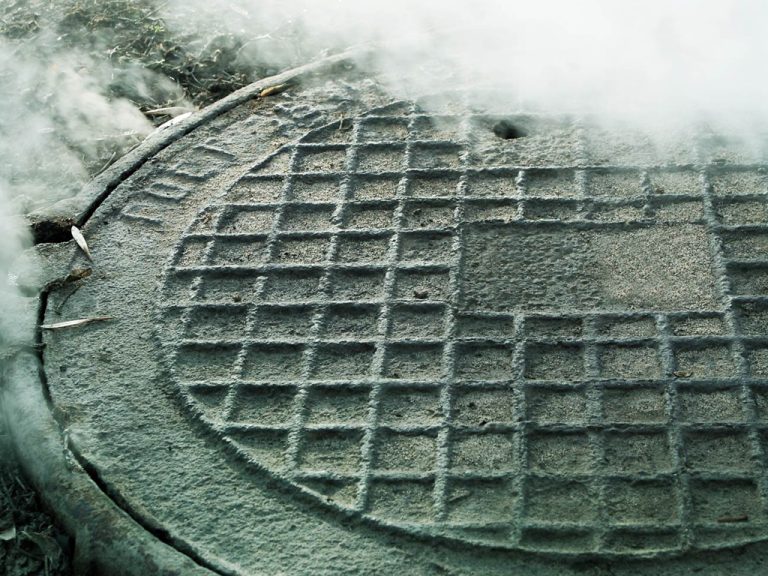
A properly sealed system shouldn’t produce any smell. If you notice rotten-egg or sewage odors around the tank area, drainfield, or inside your home,
it’s likely that gases are escaping from an overloaded or failing system.
🚫 Never ignore septic odors — they signal the beginning of contamination.
4. Sewage Backup Indoors
One of the most alarming symptoms of septic failure is wastewater backing up into sinks, bathtubs, or toilets. This usually means the tank or drain lines are full and wastewater has nowhere else to go.
❗ If this happens, stop using water immediately and call a licensed septic professional.
5. Lush, Uneven Grass Above the Drainfield
A drainfield should blend naturally into your lawn. If you see thick, dark green grass or unusually healthy patches, it could mean effluent is leaking upward instead of filtering downward. While it might look nice, it’s actually a sign of system stress or partial failure.
6. High Nitrate Levels in Well Water
If your property uses a private well, test your water regularly. Elevated nitrates or bacteria often indicate a leaky or overloaded septic system contaminating the groundwater — a serious health risk, especially for children and pregnant women.
7. Time Has Simply Passed
Even if everything seems fine, a septic system isn’t maintenance-free. If you can’t remember the last pumping date or inspection, it’s time to act. Neglect is the #1 cause of sudden failure.
What to Do If You Suspect a Problem
-
Stop excessive water use — give the system time to recover.
-
Avoid chemical drain cleaners — they kill beneficial bacteria.
-
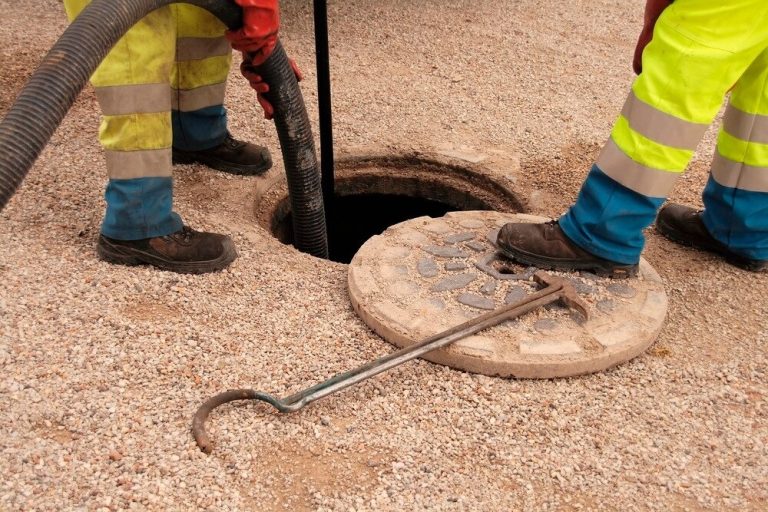
Call a licensed septic professional for inspection and pumping.
-
Document everything — future maintenance will be easier and cheaper.
Preventing Future Failures
-
Pump every 3–5 years (depending on usage).
-
Keep detailed maintenance records.
-
Divert roof and surface water away from the drainfield.
-
Never park heavy vehicles on top of the septic area.
-
Use water efficiently and avoid flushing anything non-biodegradable.
Preventive care is always cheaper than repair — and much better for the environment.
Summary Table
| Sign | What It Means | Recommended Action |
|---|---|---|
| Slow drains / gurgling | Tank full or drainfield clog | Inspect & pump |
| Standing water outside | Soil oversaturated | Drainfield check |
| Sewage odor | Gas or waste leak | Immediate inspection |
| Backup indoors | System overload | Emergency service |
| Lush grass | Effluent leakage | Drainfield maintenance |
| High nitrates in well | Groundwater contamination | Water testing & repair |
| No recent pumping | Routine neglect | Schedule service |
Your septic system gives you plenty of warnings before complete failure — if you know what to look for. Stay alert to these early signs, schedule regular maintenance, and your system can serve you trouble-free for decades.