How Often Should You Pump Your Septic Tank?
Proper septic tank maintenance isn’t just about convenience — it’s about protecting your home, your health, and the environment. One of the most common questions homeowners ask is: “How often should I pump my septic tank?” The answer depends on a few important factors. Let’s break them down.
General Rule of Thumb
Most septic tanks need to be pumped every 3 to 5 years.
However, this isn’t a fixed rule. The right schedule depends on:
-
Household size — more people means more wastewater.
-
Tank size — larger tanks fill up slower.
-
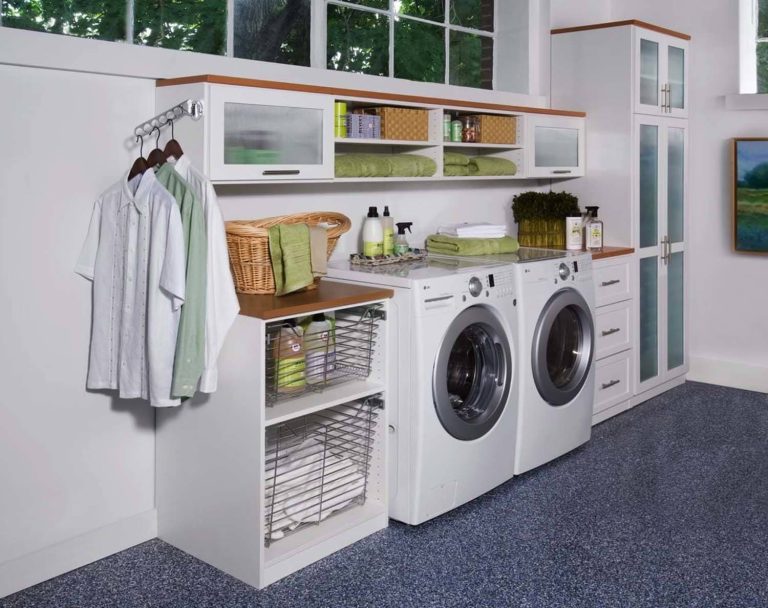
Water usage habits — frequent laundry, long showers, or leaks accelerate filling.
-
Garbage disposal use — adds solids and grease that increase buildup.
💡 Example:
A family of four with a 1,000-gallon tank may need pumping every 3 years, while a single-person household could go 5–7 years.
Why Regular Pumping Matters
Failing to pump your tank on time can lead to serious problems:
-
System backup — sewage can flow back into your home or yard.
-
Drainfield damage — clogged pipes or soil contamination.
-
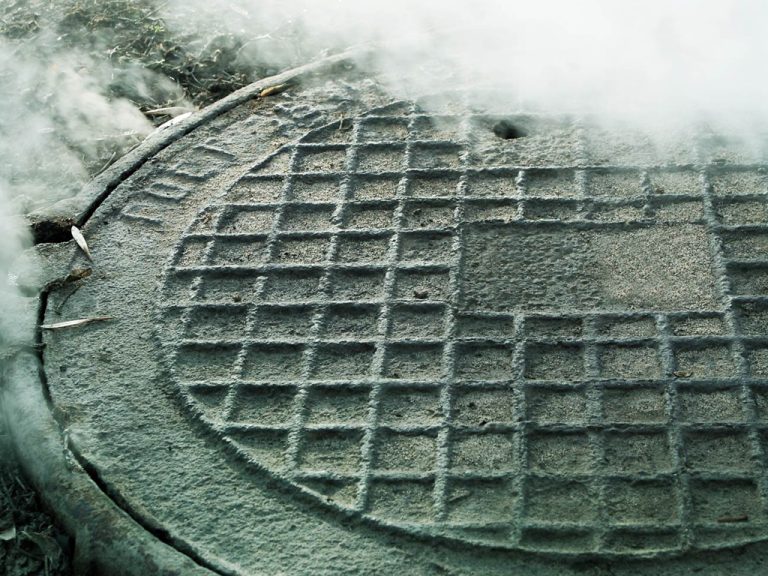
Odors and health hazards — gases and bacteria escaping into your property.
-
Costly repairs — neglect can shorten your system’s lifespan drastically.
Regular pumping helps maintain a healthy bacterial balance, preventing solids from reaching the drainfield — the heart of your septic system.
How to Know When It’s Time
Here are common warning signs your tank may be full:
-
Slow drains or gurgling sounds in sinks and toilets
-
Sewage odors inside or around your yard
-
Standing water or unusually green grass near the drainfield
-
Frequent need to use chemical drain cleaners
-
A record shows it’s been 3+ years since the last pumping
If you notice any of these, don’t wait — schedule a professional inspection immediately.
How Pumping Works
-
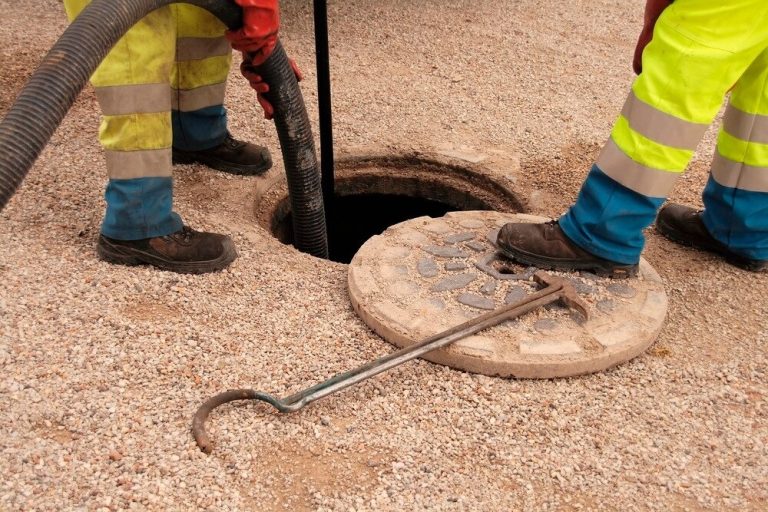
A licensed technician locates and opens the tank lids.
-
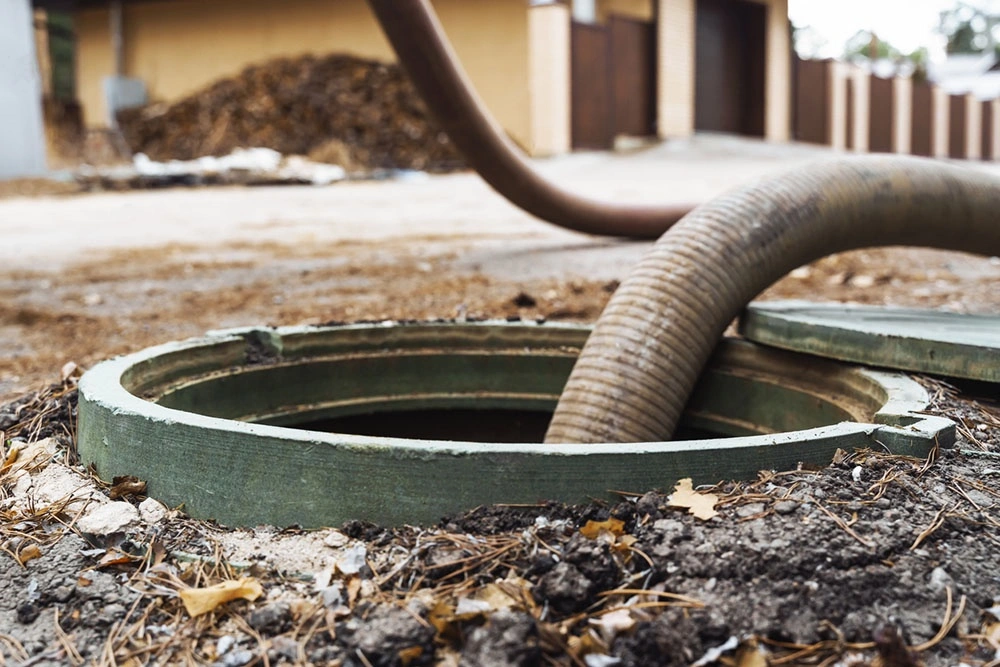
The tank is vacuum-pumped to remove sludge and scum.
-
The interior is checked for cracks, baffles, and structural issues.
-
The technician notes sludge depth and recommends the next service date.
Duration: 30–60 minutes
Average cost: $250–600 (depending on tank size and location)
Tips to Extend the Time Between Pumpings
-
Fix leaking faucets and toilets — constant flow overloads the system.
-
Spread laundry over several days instead of doing many loads at once.
-
Never flush wipes, paper towels, or feminine products.
-
Avoid using chemical drain cleaners — they kill beneficial bacteria.
-
Use water-efficient fixtures and appliances.
These habits help reduce sludge buildup and extend your tank’s lifespan.
Record Keeping
Keep a septic maintenance log with dates of pumping, inspection results, and any repairs. A simple notebook or digital tracker can save you hundreds of dollars in the long run.
Summary
| Household Size | Tank Capacity | Recommended Pumping Interval |
|---|---|---|
| 1–2 people | 750 gallons | Every 5–7 years |
| 3–4 people | 1,000 gallons | Every 3–4 years |
| 5+ people | 1,200+ gallons | Every 2–3 years |
Bottom Line
Pumping your septic tank is not optional maintenance — it’s essential for keeping your system efficient, odor-free, and environmentally safe. When in doubt, schedule an inspection every 3 years, and pump whenever the solids reach one-third of the tank’s depth.
Taking a little care today can save you thousands of dollars tomorrow.