How to Get Rid of Sewer Odor in House: Quick Solutions
Understanding Sewer Odor: Causes and Risks
Sewer odor in your home is more than just an unpleasant nuisance-it can be a sign of underlying plumbing issues and health risks. If you notice sewer gas smell coming from drains, toilets, or basements, pinpointing the cause is the first step toward a safe, odor-free environment.
Common Causes of Sewer Odor
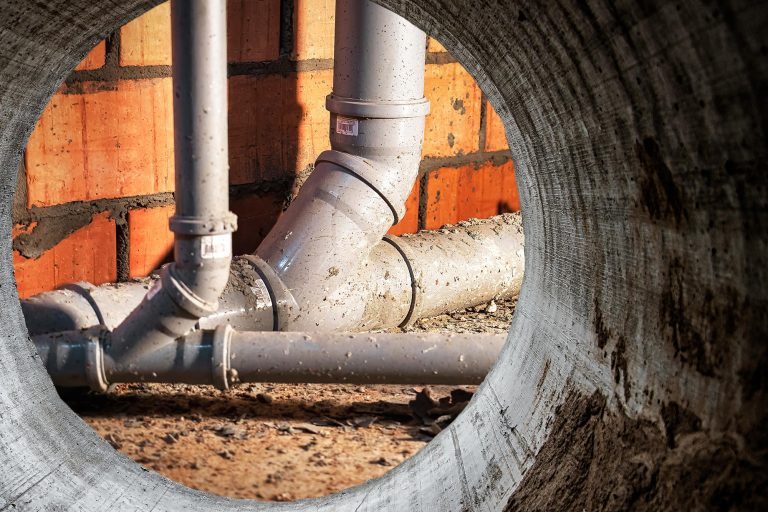
- Dry P-trap: The P-trap is a U-shaped pipe designed to hold water and block sewer gases. If infrequently used drains dry out, they lose this seal, allowing sewer gas to enter your home.
- Damaged or Loose Wax Rings: Toilets are sealed to the floor with a wax ring. If the seal degrades, odors can escape even if the toilet isn’t visibly leaking.
- Blocked or Broken Vent Pipe: The vent pipe equalizes air pressure and vents gases outside. Obstructions, such as bird nests or debris, force gases back into the house.
- Plumbing Leaks: Cracks, faulty connections, or deteriorating pipes let sewer gases leak into living spaces.
- Poor Home Ventilation: Inadequate ventilation traps musty odors and intensifies the sewer gas smell.
Health and Safety Risks
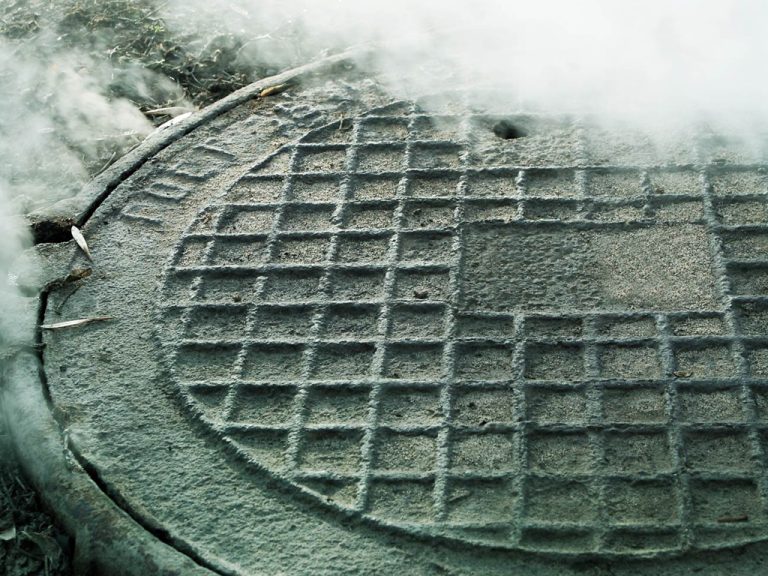
Sewer gas is a mixture of gases, including hydrogen sulfide and methane. Beyond the unpleasant odor, prolonged exposure can cause headaches, fatigue, dizziness, and respiratory irritation. High concentrations are even flammable, highlighting the importance of prompt action. For more on the environmental and safety differences between waste management systems, read Septic vs Sewer: Which One Is More Eco-Friendly?.
Step-by-Step Solutions to Eliminate Sewer Odor
Eliminating sewer odor requires methodical troubleshooting. Use this actionable checklist:
1. Diagnose the Source with a Visual Checklist
| Issue | Location | DIY Fix | Escalate to Plumber? |
|---|---|---|---|
| Dry P-traps | Sinks, tubs, floor drains | Run water for 1-2 minutes | No |
| Broken vent pipe | Attic, roof | Check for blockages Clear safe debris |
Yes (for repairs) |
| Loose wax ring | Toilet base | Inspect for rocking/movement | Yes |
| Clogged drain | Any drain | Enzyme-based cleaner, plunger | If unresolved |
| Plumbing leak | Basements, walls | Visual inspection | Yes |
2. Clean and Deodorize All Drains
- Flush Every Drain: Even unused drains should be flushed with water monthly to maintain the water barrier in the P-trap and prevent sewer gas smell.
- Use Enzyme-Based Cleaners: Pour an enzyme-based drain cleaner overnight to break down organic buildup. Avoid harsh chemicals, as they can damage plumbing.
- Install Odor Absorbers: Place activated charcoal, baking soda, or commercial odor absorbers near drains to neutralize lingering scents.
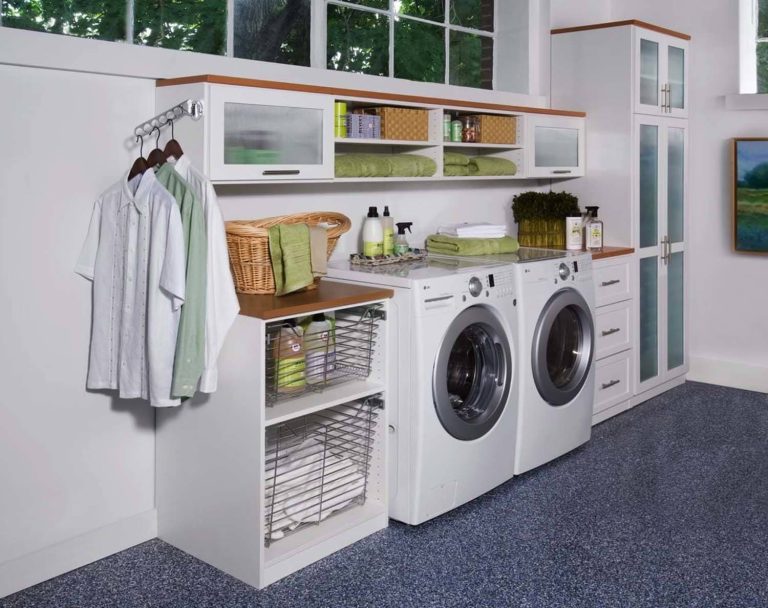
For persistent smells in specific rooms such as your laundry area, see Why Does My Laundry Room Smell Like Sewer? Top Reasons.
3. Inspect and Maintain P-Traps
- Check for Dry Traps in floor drains (especially in basements or guest bathrooms) and pour in water regularly.
- For rarely used sinks or showers, add a tablespoon of mineral oil to slow evaporation from the P-trap.
4. Ensure Proper Ventilation
- Open windows and use exhaust fans to dissipate odors quickly.
- Ensure attic and roof vents are free of debris for effective vent pipe function.
- Upgrade to modern, energy-efficient home ventilation systems if recurring odors persist, especially in older homes.
5. Repair Plumbing Leaks and Seals
- Regularly check under sinks and behind toilets for moisture and stains.
- If you notice a loose or rocking toilet-often a symptom of a damaged wax ring-reseal or replace it promptly.
6. Advanced Drain Cleaning Methods
- Use a plumbing snake to remove deep clogs or call a professional plumber for tough obstructions.
- Flush high-traffic drains with boiling water and baking soda followed by vinegar to prevent buildup.
Preventive Maintenance Tips
Routine attention prevents future sewer odor and protects your home’s air quality and plumbing integrity.
Maintain Water in All Traps
- Establish a schedule-for example, monthly-for running water in every fixture.
- Pour a small amount of mineral oil after filling the trap to reduce evaporation.
Regular Drain Cleaning
- Adopt monthly use of enzyme-based drain cleaners for all sinks and showers to break down organic matter and grease.
- Schedule annual professional drain cleaning for systems under heavy use or with a history of blockages.
Monitor and Maintain Home Ventilation
- Clean exhaust fans and check that vent pipes are unobstructed, especially after storms or heavy winds.
- Evaluate your home’s air quality and consider modern ventilation upgrades; these not only help with sewer odors but also improve overall comfort.
Plumbing Leak Inspections
- Check for wet spots, mildew, or mold near plumbing lines regularly.
- Be alert for unexpected increases in water bills, which may signal a hidden leak.
Septic System Maintenance
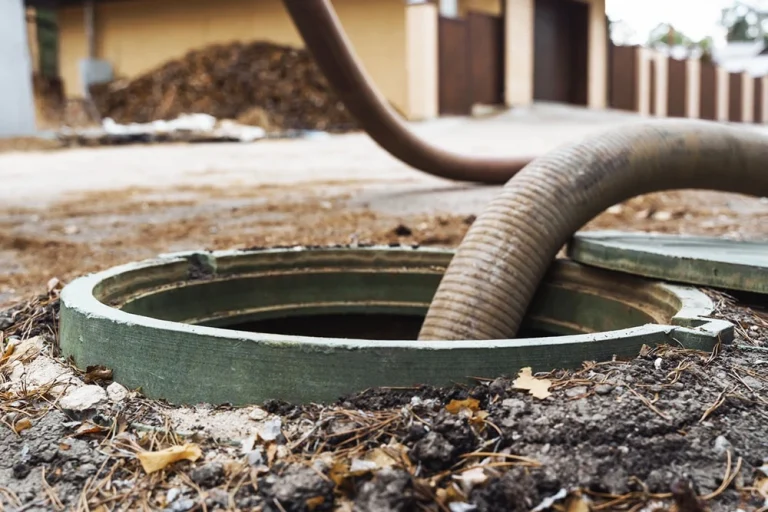
If your home uses a septic tank, regular maintenance and timely pumping are crucial for odor prevention. Review our guide on how often you should pump your septic tank and recognize top signs your septic system might be failing.
Homeowners interested in water conservation might benefit from reading about greywater recycling, which also helps reduce plumbing issues by lessening system strain.
When to Call a Professional
While many sewer odor issues can be resolved with DIY methods, certain scenarios demand professional intervention:
- Persistent Sewer Gas Smell: If the odor lingers despite all efforts, underlying problems like hidden leaks or extensive blockages may exist.
- Plumbing System Damage: Cracked pipes, failing vent stacks, or collapsed sewer lines require specialized equipment and expertise.
- Recurrent Clogs: Multiple slow or backed-up drains suggest a major sewer line blockage.
- Sewage Backups: Any sign of sewage backing up into your home is a plumbing emergency and a health hazard.
- Mystery Leaks: Damp drywall, ceiling stains, or unexplained puddles near plumbing should always be evaluated by a licensed professional plumber.
Professional plumbers have diagnostic tools like smoke machines and advanced cameras to identify elusive leaks or vent blockages, ensuring your home is safe and odor-free.
Frequently Asked Questions About Sewer Odor
- What’s the fastest way to get rid of sewer smell in a bathroom?
Flush P-traps by running water for a few minutes in all drains, including floor drains. If the smell persists, clean drains with enzyme-based cleaners and ventilate the room thoroughly. - Is sewer gas harmful?
Yes. Sewer gas contains methane and hydrogen sulfide, which are hazardous at high levels and can cause both short-term and prolonged health effects. Always address strong or persistent odors promptly. - How can I prevent sewer odors in unused bathrooms?
Regularly pour water-and a tablespoon of mineral oil-into each drain. Running water monthly is usually sufficient to maintain water in the traps. - Why does the smell seem worse after heavy rain?
Rain can saturate the ground and create pressure changes in sewer lines, pushing gases back into the house, especially if your vent pipe is blocked. - Should I use chemical drain cleaners?
Enzyme-based cleaners are safer and better for most home plumbing systems. Harsh commercial chemicals can degrade pipes and wax rings over time. - How often should I have my septic tank pumped?
Refer to our complete guide on how often you should pump your septic tank for recommended schedules based on household size and usage.