What Is Sewer Gas? Dangers, Smell & Prevention Tips
What Is Sewer Gas?
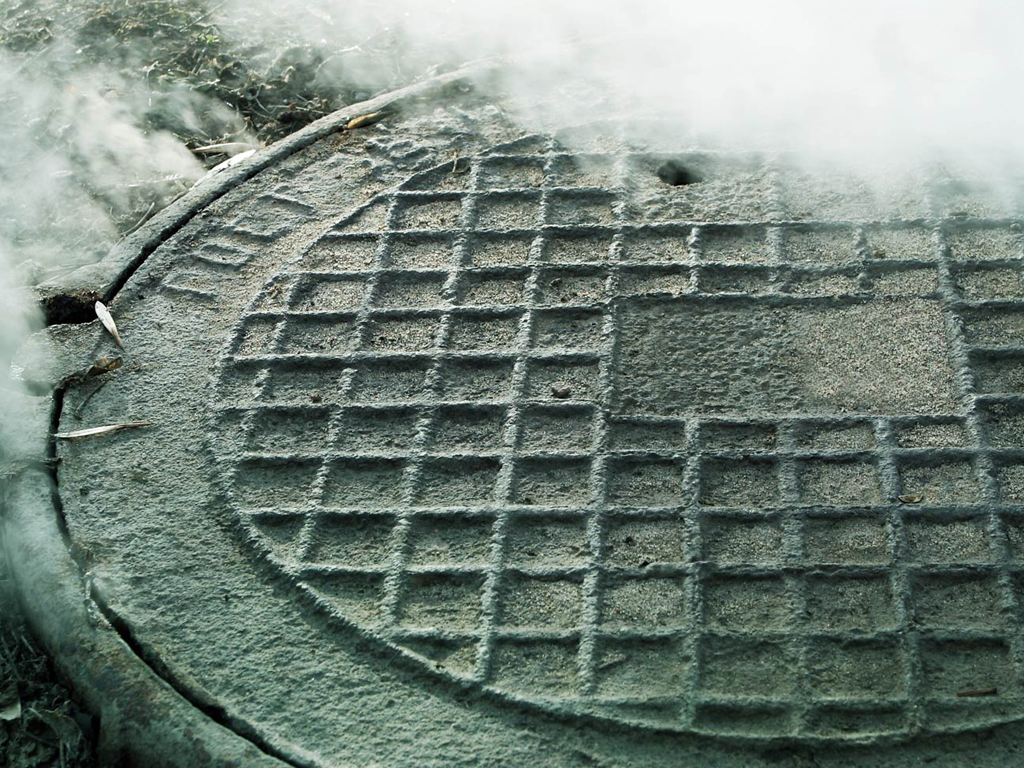
Sewer gas is a mixture of toxic and non-toxic gases produced by the decomposition of organic household and industrial waste within the sewer system or septic tank. This gas blend primarily comprises hydrogen sulfide (H₂S), methane, ammonia, carbon dioxide, sulfur dioxide, and nitrogen oxides. While some components are simply foul-smelling, others are hazardous-even deadly-at higher concentrations.
Hydrogen sulfide is especially noteworthy because it gives off the characteristic "rotten egg smell" many recognize when there is a sewer gas leak. Methane in sewers is another critical element since it is both odorless and highly flammable, contributing to the potential explosion risk associated with sewer gas accumulation.
This gas not only poses serious health risks but can also cause structural damage and corrosion to pipes in homes and buildings if left unchecked.
Why Does Sewer Gas Smell So Bad?
The signature sewer gas smell is directly tied to its chemical composition. Chief among the culprits is hydrogen sulfide, the source of that notorious rotten egg smell in house scenarios. In addition to being unpleasant, this smell serves as a crucial warning signal that potentially hazardous gases are present-gases that could result from failing traps, blocked vents, or other plumbing problems.
Ammonia adds a sharp, pungent aspect to sewer gas odor, while volatile fatty acids and sulfur dioxide can deepen the sensation of rot or decay lingering in the air. Methane, while typically odorless, is sometimes accompanied by trace organic compounds that further intensify the foulness.
Noticing this smell inside your house-especially in places like laundry rooms-calls for immediate attention. If you are wondering, “why does my laundry room smell like sewer?” you may be encountering a local plumbing problem that allows sewer gas to enter occupied spaces.
Health Risks and Safety Concerns
Exposure to sewer gas is more than a simple nuisance. Its health and safety risks are well documented and should not be underestimated. Below are typical sewer gas symptoms and associated hazards according to up-to-date public health guidance:
- Short-term exposure can result in irritation of the eyes, nose, and throat; coughing; shortness of breath; headache; nausea; and dizziness. These symptoms are particularly associated with hydrogen sulfide and ammonia.
- Long-term or high-level exposure may lead to unconsciousness, suffocation, loss of smell (important as hydrogen sulfide can cause olfactory fatigue), and, in extreme cases, death.
- The explosion risk is highest with methane accumulation, especially in confined spaces where just a spark could ignite a dangerous fire or blast.
- Sewer gas can also accelerate corrosion in metal plumbing, weakening infrastructure and increasing the likelihood of leaks or failures.
Children, the elderly, and people with respiratory conditions are especially vulnerable. For more tips specifically on what to look for in your home’s waste removal system, explore the top signs your septic system might be failing.
How Sewer Gas Enters Homes and Buildings
There are several common routes for sewer gas to enter a building, each tied to either improper plumbing, infrequent system maintenance, or sudden damage. Understanding these breaks in typical safeguards-like P-traps and plumbing vents-is key to effective sewer gas prevention:
- Dry or Faulty P-Traps: Every plumbing fixture (sinks, tubs, floor drains) uses a P-trap to maintain a water seal that blocks sewer gas. When these traps dry out or leak, gas can easily move into the living space.
- Blocked or Damaged Plumbing Vents: Vent pipes allow gases to safely escape outdoors above the roofline. Obstructions, bird nests, or snow can block these vents, forcing sewer gases to back up into the building.
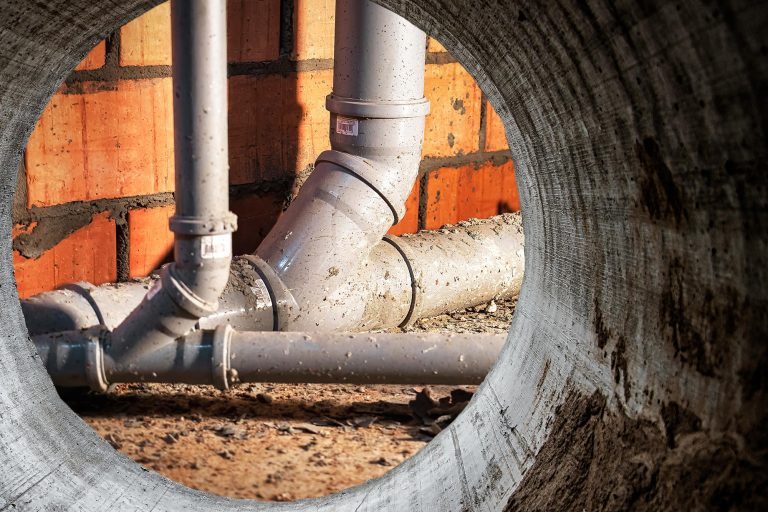
- Cracked Pipes or Deterioration: Over time, pipes can crack due to corrosion or ground movement, especially in older homes or those with deferred maintenance. This allows gases to find new pathways inside.
- Poorly Sealed Toilet Bases: A damaged wax ring or improper installation can leave a gap, inviting odor and dangerous gases to rise from below.
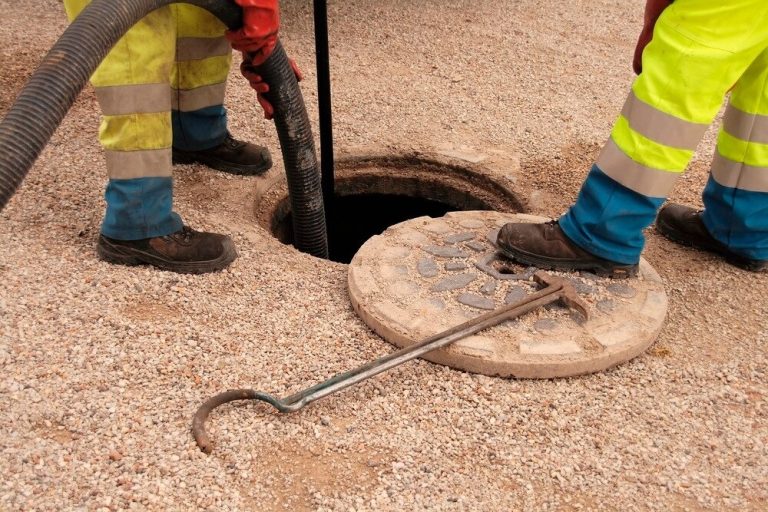
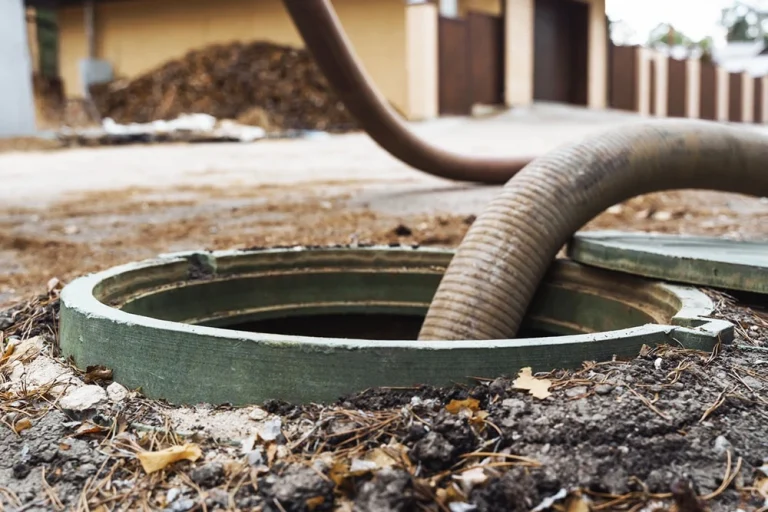
- Faulty or Overflowing Septic Systems: Malfunctioning or full septic tanks can increase gas pressure, pushing fumes back through the household pipes. It’s critical to know how often you should pump your septic tank to prevent such issues.
Visual Guide to Common Entry Points
| Entry Point | Typical Cause | Warning Sign |
|---|---|---|
| Dry P-trap | Unused sinks/floor drains | Rotten egg odor near fixture |
| Blocked plumbing vent | Debris, nests, ice | Sewer odor throughout house, gurgling sounds |
| Cracked pipes | Age, corrosion, settling | Persistent odors, slow drains |
| Faulty toilet seal | Deteriorated wax ring | Odor around toilet base |
| Failing septic system | Overfull or leaking tank | Yard smells, indoor gas, wet spots in lawn |
Prevention and Solutions
Though the risks are serious, most sewer gas problems can be managed or prevented with proactive steps, regular maintenance, and a good understanding of your plumbing system. Follow these science-backed, actionable tips for effective sewer gas prevention:
- Regularly use all fixtures, including infrequently used sinks and floor drains; running water maintains the essential P-trap water barrier.
- Inspect and maintain plumbing vents by ensuring nothing blocks them on the roof or in the attic, especially after storms or in snowy climates.
- Check for slow drains or gurgling sounds, which often indicate ventilation blockages or partial clogs.
- Maintain toilets by making sure the base is well-sealed and the wax ring is intact.
- Schedule regular septic tank pumping according to the size of your household and tank; reference this guide on how often you should pump your septic tank.
- Seal unused drains with appropriate covers or by pouring a small amount of mineral oil down the drain after filling with water, as this slows evaporation from the trap.
If you’re already experiencing a rotten egg smell in house, find immediate tips in this guide on getting rid of sewer odor in your home.
When to Seek Professional Help: If you consistently notice strong sewer gas smells, unexplained health symptoms, or believe you may have a gas leak, contact a licensed plumber or your local utility. Certain problems-such as systemic venting issues or suspected methane leaks-require urgent, specialized attention.
Frequently Asked Questions About Sewer Gas
- Is sewer gas always dangerous?
While low-level exposure mainly causes discomfort, even non-toxic elements can signal larger hidden plumbing or septic issues. Chronic exposure raises health and explosion risks, so all gas odors should be treated seriously. - What does sewer gas smell like?
It’s usually described as a rotten egg aroma (from hydrogen sulfide), sometimes mixed with ammonia or a musty, sulfurous undertone. Other odors-like mold or decay-could have other sources but may also relate to plumbing vent issues. - Is methane in sewers a fire hazard in homes?
Yes, methane gas is highly flammable. Though explosions caused by sewer gas are rare, they can occur in poorly ventilated areas with a significant build-up-reminding us why proper venting is crucial. - How can I tell if my septic system is involved?
Pay attention to outdoor odors, gurgling pipes, slow drainage, or wet spots in your yard. For a deeper dive into eco-friendly waste solutions, see this comparison of septic vs. sewer systems. - DIY or call a pro?
Routine prevention steps are safe for most homeowners. But if you suspect a sewer gas leak, notice multiple persistent symptoms, or cannot identify the odor’s source, always call a qualified plumber for assessment and repairs.